What to know about emergency rubbish collection Maida Vale
Posted on 10/06/2026
If you suddenly need rubbish gone today, the pressure is very real. A blocked hallway, a garden full of storm damage, a post-renovation mess, or an office that has to be cleared before opening time can't always wait for a normal collection slot. That's where emergency rubbish collection Maida Vale comes in: a fast, practical service designed to remove waste quickly, safely, and with as little disruption as possible.
In Maida Vale, that need often comes with its own quirks. Narrow streets, basement flats, resident parking, and mixed-use buildings can make urgent waste removal a bit more complicated than people expect. The good news? With the right preparation and the right provider, it can still be straightforward. This guide explains what emergency collection actually means, how it works, what to watch for, and how to avoid expensive mistakes. Let's face it, when rubbish is in the way, clarity is worth a lot.
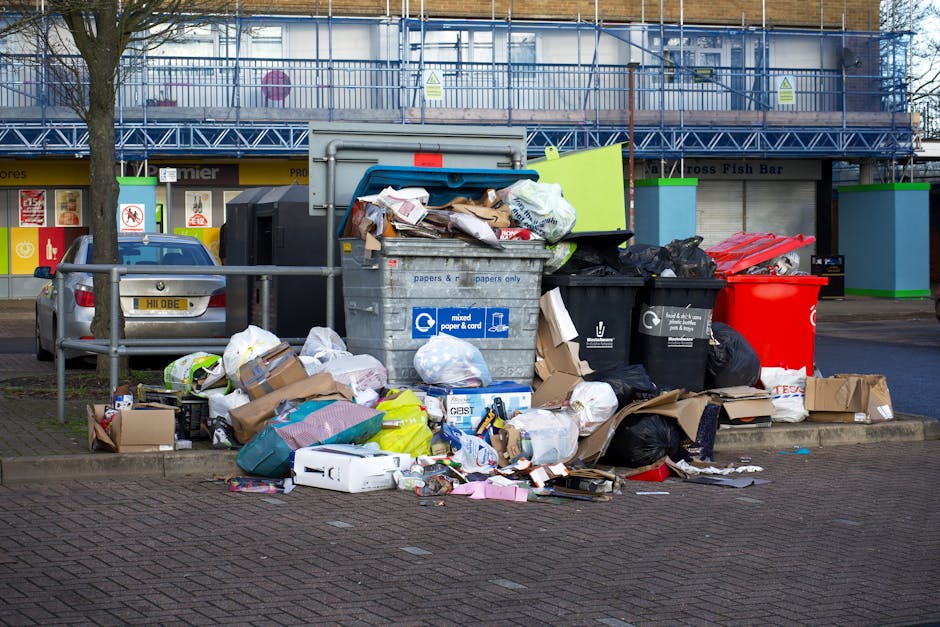
Why emergency rubbish collection in Maida Vale matters
Urgent waste problems are rarely tidy. One minute everything is manageable; the next, a broken sofa is trapped in a corridor, builders' rubble is spread across a driveway, or bags are piling up after an unexpected clear-out. In a neighbourhood like Maida Vale, where homes and businesses often share tight access points, a delay can quickly become more than an inconvenience.
Emergency rubbish collection matters because it restores normality fast. It protects access, reduces trip hazards, helps prevent smells and pests, and stops waste from becoming a bigger operational issue. For landlords, agents, and property managers, it can also help avoid complaints from neighbours and tenants. For business owners, it may be the difference between staying open and losing a trading day. That is not dramatic; it's just how quickly waste can snowball.
There's also a local lifestyle angle. Maida Vale has a mix of elegant flats, period conversions, canal-side properties, and busy commercial pockets. You may not have the luxury of leaving rubbish outside for long, especially if you share entrances or need to keep the pavement clear. That's one reason a swift, well-organised collection service can be so useful.
If you are still weighing up the wider service landscape, a broader services overview can help you understand how emergency collections sit alongside standard clearance and disposal options.
How emergency rubbish collection works
Most emergency waste removals follow a fairly simple pattern, but the best results come from handling each step carefully. A good provider will move quickly without becoming sloppy. That balance matters.
1. You describe the problem
You start by explaining what needs to be removed, how much there is, and how urgent it is. The more precise you are, the better. "A few bin bags" and "three builders' bags, a mattress, and dismantled shelving" are very different jobs.
2. The provider assesses access and waste type
They may ask about stairs, lifts, parking, loading distance, and whether the waste includes anything awkward like appliances, plasterboard, or confidential office material. This is not overthinking. It's how collections are planned without surprises.
3. You receive a price or estimate
For urgent jobs, pricing usually depends on volume, weight, labour, access, and disposal route. If your waste is mixed, bulky, or unusually heavy, the price may change. A transparent provider will explain that before anything is booked. If you want to see how quotes are usually framed, have a look at the site's pricing and quotes guidance.
4. The team arrives and removes the waste
Emergency collections are often carried out the same day or on a tight next-available slot, depending on availability. The crew will load the waste, sort what can be separated, and remove it from site. In a good operation, this part feels calm and efficient, even if the situation on arrival looks a bit chaotic.
5. Waste is handled responsibly
Responsible rubbish collection is not just about disappearing with the bags. Waste should be transported by a properly authorised carrier and taken to suitable disposal or recycling facilities. If you want to understand the compliance side in more detail, the page on waste carrier licence and compliance is worth reading.
Key benefits and practical advantages
Emergency rubbish collection is not just about speed, although that is the headline benefit. The practical advantages go further.
- Fast clearance: useful when a room, hallway, garden, loading bay, or office area must be put back into use quickly.
- Reduced disruption: the sooner waste leaves, the sooner you can breathe again. Simple, but true.
- Safer spaces: loose waste, broken furniture, and stacked bags can create trip hazards and block fire routes.
- Less neighbour friction: in shared buildings, lingering rubbish can become everyone's problem very quickly.
- Cleaner handovers: valuable for landlords, tenants, estate agents, and anyone preparing a property for sale or new occupancy.
- Flexible support: helpful for domestic, commercial, and building-site situations where waste doesn't fit a standard collection timetable.
There is also a less obvious benefit: peace of mind. If you've ever been standing in a hallway at 8pm wondering how on earth the old wardrobe is going to move itself, you know the value of that. Spoiler: it won't.
When the waste is bulky, a dedicated service like rubbish collection in Maida Vale or waste disposal in Maida Vale can often be the most practical route, especially if you need a proper clear-out rather than a one-off uplift.
Who this is for and when it makes sense
Emergency rubbish collection is not only for dramatic disasters. In practice, it helps a wide range of people in very ordinary situations that just happen to be time-sensitive.
Homeowners and tenants
If a bulky item is blocking a room, a freezer has failed, or you're clearing out after a last-minute move, emergency collection can solve a real problem fast. It is also useful after spring cleaning sessions that suddenly become "why did we keep all this?" moments.
Landlords and letting agents
Turnover days can be tight. Left-behind furniture, bagged rubbish, and broken appliances can delay new tenants and create avoidable stress. A quick clearance helps get the property back to market-ready condition.
Offices and retail premises
Commercial spaces often need quick action when stock, packaging, old desks, or back-room clutter gets in the way of trading. If you are dealing with workplace clearance, the dedicated office clearance Maida Vale page is a useful starting point, and the commercial waste removal Maida Vale page may suit ongoing business needs better.
Builders and contractors
Construction jobs rarely go exactly to plan. Rubble, offcuts, packaging, and broken fittings can suddenly need to be removed before the next stage of work can continue. For that, builders waste disposal Maida Vale is usually the better fit.
People handling a full property clear-out
Emergency removal is often the first step in larger jobs like a house clearance or loft clearance. If that sounds familiar, related pages such as house clearance Maida Vale and loft clearance Maida Vale can help you decide whether you need a one-off urgent pickup or a fuller service.
Step-by-step guidance
If you want a smooth emergency collection, treat it like a short project. A little preparation saves time. Quite a lot of time, actually.
- Identify exactly what must go. Separate the urgent items from the "might as well remove that too" items.
- Check access. Measure doorways, note stairs, and think about parking or loading restrictions.
- Sort waste by type if you can. General rubbish, furniture, appliances, and builders' waste are often handled differently.
- Take photos. This helps with quoting and avoids misunderstandings. A few clear pictures can save a long phone call.
- Ask about timing. Same-day is not guaranteed everywhere, so confirm the window and whether there are additional charges for urgency.
- Move fragile or valuable items away. Don't make the crew guess what's to be removed and what's staying. Nobody wants that game.
- Make sure someone is available. If the team needs access or sign-off, keep things simple and direct.
- Confirm disposal details. If you're responsible for the waste, ask how it will be handled and whether a receipt or paperwork is provided.
A good rule of thumb: the more prepared the site is, the quicker the collection tends to be. Urgency is fine. Chaos is optional.
Expert tips for better results
Over time, one thing becomes clear: the best emergency jobs are the ones where the customer thinks ahead by just a little bit. Not weeks ahead. Just enough to prevent a scramble.
Be honest about volume
Underestimating the amount of waste is one of the fastest ways to complicate a booking. If you're unsure, describe the load in practical terms. "Half a garage" is more useful than "some bits and pieces."
Separate special items early
Appliances, mattresses, paint tins, and heavy construction waste can affect handling. If your pile includes old fridges or washing machines, a dedicated white goods and appliance disposal Maida Vale service may be more suitable than a general rubbish call-out.
Prioritise access on the day
If you can reserve a loading space, unlock gates, or clear a route from the front door to the street, do it. In Maida Vale's more tightly packed streets, that can make the difference between a smooth visit and a fiddly one.
Ask what is included
Some jobs look cheap at first glance and then grow elbows. Labour, lifting, loading, disposal, congestion-related delays, and VAT treatment should all be clear. If a quote feels fuzzy, it usually is.
Think beyond the immediate mess
If the emergency collection is part of a broader clear-out, it can make sense to bundle tasks. For example, a furniture removal job can be combined with general rubbish, or a garden tidy-up can be linked with green waste clearance. The relevant pages, such as furniture removal Maida Vale and garden waste removal Maida Vale, can help you match the service to the job.
One more practical point: if you're in the middle of moving house in Maida Vale, a quick read of the guide on rubbish removal for Little Venice homes may offer a few useful real-world ideas. Different neighbourhood, same old moving-day mess.

Common mistakes to avoid
Emergency rubbish removal is usually straightforward, but a few common errors can make it more stressful than it needs to be.
- Leaving everything until the last minute: urgent jobs can still be planned well, even if the deadline is tight.
- Mixing hazardous and general waste: don't hide awkward items in the pile. That can create safety and compliance issues.
- Forgetting about access: narrow stairs, permit restrictions, and parking matters in Maida Vale more than some people expect.
- Assuming every quote is all-in: check what the price covers, especially if the load is unusually heavy or difficult to carry.
- Choosing purely on speed: speed matters, yes, but so does proper disposal and a clear paper trail.
- Not preparing the waste: small prep steps can reduce labour time and avoid confusion on site.
There's a nice little reality check here: if someone says "don't worry, it's all easy" before seeing the job, that is often when you should worry a little. Not panic. Just ask better questions.
To avoid pricing surprises, the article on avoiding hidden rubbish removal charges in Maida Vale is a smart companion read.
Tools, resources and recommendations
You do not need specialist kit to arrange an urgent collection, but a few simple tools make the process smoother.
- Your phone camera: take clear photos from more than one angle.
- A basic inventory: list the main items, even if it's rough.
- Measuring tape: useful for bulky items, stair turns, and door widths.
- Access notes: parking restrictions, concierge arrangements, bin-store locations, and gate codes all matter.
- Payment readiness: emergency bookings are easier when you know how you'll be paying and who is authorised to approve it.
In terms of service selection, think about whether you need a one-off emergency uplift or a wider waste management plan. For ongoing business use, the commercial waste removal Maida Vale page is more relevant. For household one-offs, domestic waste collection Maida Vale is the better match. Simple distinction, but it saves a lot of back-and-forth.
If you want to learn more about sustainability and what happens after collection, the page on recycling and sustainability is a useful read. It helps set realistic expectations about sorting and responsible disposal.
Law, compliance, standards, and best practice
With emergency rubbish collection, compliance matters just as much as speed. You want waste gone, yes, but you also want it handled properly. In the UK, the basic expectation is that waste is collected and transported by a properly authorised carrier and taken to an appropriate facility. That is a normal industry expectation, not a niche extra.
Good practice also means the provider should be clear about what they can and cannot take, especially where hazardous items, contaminated materials, or specialist disposal is involved. If you are clearing business waste, confidential paperwork, or mixed construction materials, ask questions before the collection day. Better safe than sorry, frankly.
From a customer point of view, the safest approach is to choose a company that is transparent about licensing, safety, payment handling, insurance, and recycling practices. The site pages on insurance and safety, payment and security, terms and conditions, privacy policy, and cookie policy help build that trust picture without overcomplicating it.
For readers who care about ethical sourcing and disposal standards beyond the immediate job, the company's modern slavery statement is also part of the wider responsibility picture. It may not be the first thing you think about when a sofa is blocking the landing, but it does matter.
Options, methods, and comparison table
Emergency rubbish collection is one solution, but it is not always the only one. The best choice depends on what's being removed, how quickly, and how much access you have.
| Method | Best for | Pros | Trade-offs |
|---|---|---|---|
| Emergency rubbish collection | Urgent, one-off waste problems | Fast, flexible, reduced disruption | Can cost more than a standard booking |
| Standard rubbish collection | Waste that can wait a day or two | Usually more predictable | Not suitable when time is critical |
| Furniture disposal | Bulky household items | Good for sofas, wardrobes, mattresses | May not cover mixed general rubbish |
| Builders waste disposal | Renovation debris and rubble | Better suited to heavy, messy materials | Needs clearer load description |
| House or loft clearance | Large-scale decluttering | Efficient for multiple rooms or storage spaces | More involved than a simple uplift |
If you are still unsure which route is best, the service pages for furniture disposal Maida Vale and waste clearance and disposal can help narrow it down. Different labels, similar outcomes sometimes, but not always. The detail matters.
Case study or real-world example
Picture a fairly typical Maida Vale situation. A resident in a first-floor flat has just finished a small renovation, and the old underlay, cardboard, offcuts, and a broken cabinet are stacked by the front room. A relative is due to stay that evening, the hallway is narrow, and the refuse store is already full. Not ideal.
Instead of waiting for a standard slot, they arrange an emergency collection. Before the team arrives, they take photos, move smaller items together, and keep the access route clear. The provider confirms what is being collected, explains the waste category, and gives a clear price before the job begins. The crew loads the waste, leaves the access point clear, and the flat is back to being liveable by late afternoon.
Nothing magical happened. Just a good process, a clear brief, and a realistic understanding of what needed to be done. That's usually how the best urgent jobs go. No drama, just relief.
For a nearby local angle, the post on Randolph Avenue office rubbish clearance shows how urgent removal needs can differ between homes and commercial spaces, even within the same area.
Practical checklist
Use this before booking an emergency rubbish collection in Maida Vale.
- Confirm exactly what must be removed.
- Separate urgent waste from items you may want to keep.
- Take photos from several angles.
- Note access issues, stairs, and parking constraints.
- Identify any heavy, awkward, or specialist items.
- Ask how pricing is calculated.
- Check whether same-day or next-available collection is possible.
- Confirm whether the provider is properly authorised to carry waste.
- Make sure someone can give access or approve the job.
- Clear a route to the items so collection is quicker and safer.
- Ask what paperwork or receipt you will receive after completion.
Expert summary: The best emergency rubbish collection is not just fast; it is clear, compliant, and proportionate to the job. If you can describe the waste well, prepare access, and choose the right service type, the whole thing becomes much easier.
Conclusion
What to know about emergency rubbish collection Maida Vale comes down to three things: speed, clarity, and responsible handling. When waste is in the way, you need a service that can respond quickly without cutting corners. In a busy and characterful part of London like Maida Vale, where access can be tight and timing matters, that balance is especially valuable.
Whether you are dealing with a single bulky item, a messy renovation pile, an office clear-out, or an unexpected domestic buildup, the smartest approach is to prepare a little, ask the right questions, and choose a provider that treats compliance and customer service seriously. That way, the collection feels less like an emergency and more like a reset.
Get a free quote today and see how much you can save.
And once the rubbish is gone, the space always looks bigger than you remembered. Funny how that works.
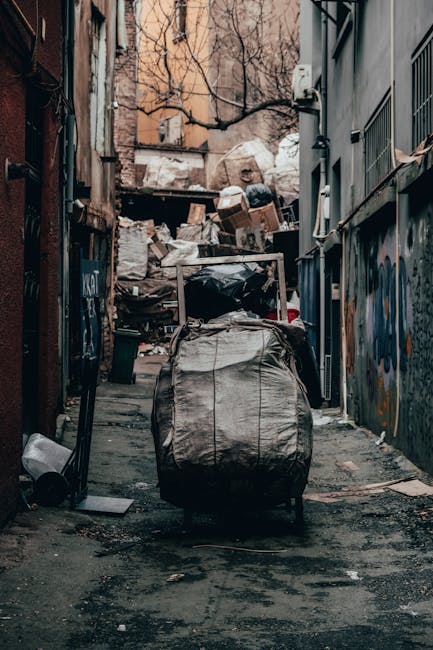

 Tipper Van - Rubbish Removal and Builders Waste Collection Prices in Maida Vale, W9
 Luton Van - Rubbish Removal and Builders Waste Collection Prices in Maida Vale, W9