W9 garden waste removal tips for Maida Vale
Posted on 14/05/2026
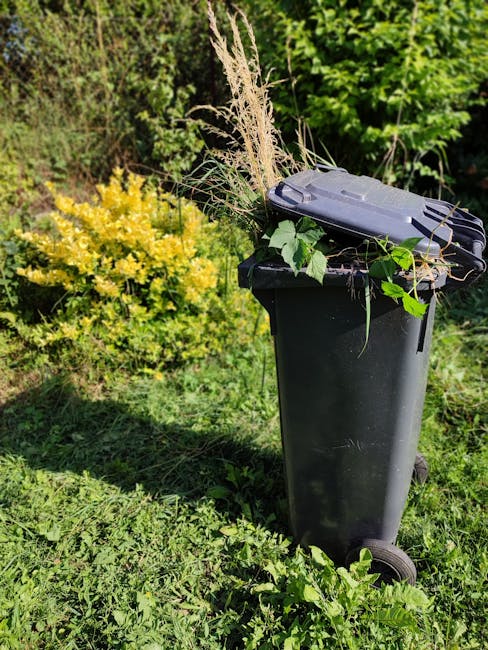
W9 Garden Waste Removal Tips for Maida Vale
If your garden in Maida Vale is looking a bit untidy after pruning, planting, or a weekend clear-up, you are not alone. Garden waste builds up fast: hedge trimmings, lawn cuttings, broken plant pots, branches, old compost, and the odd bag of soil that always seems heavier than expected. The good news is that with the right approach, W9 garden waste removal tips for Maida Vale can save you time, reduce hassle, and help you dispose of green waste responsibly without turning the job into a full-scale ordeal.
This guide walks you through practical, local-friendly ways to sort, store, move, and remove garden waste in W9. You will find clear steps, useful shortcuts, compliance advice, and a few grounded tips that make a real difference in a tight London setting. If you are comparing services or just want to avoid the classic "I'll deal with it later" pile that grows by the shed, this is for you.
For a broader look at the company's support and service range, you may also find the services overview helpful, especially if your garden tidy-up is part of a bigger clearance project.
Why W9 garden waste removal tips for Maida Vale Matters
Maida Vale gardens tend to be a bit different from the sprawling suburban kind. Many homes here have compact front gardens, sheltered rear spaces, mews courtyards, roof terraces, or shared outdoor areas. That means green waste can become awkward very quickly. A few bags of clippings in the wrong place can block a narrow path, attract damp, or simply make the space feel smaller than it already is.
There is also the simple matter of convenience. Carrying wet hedge trimmings down stairs, through hallways, or along a shared entrance is nobody's favourite Saturday task. To be fair, once garden waste is cut and bagged, the real job often starts. That is why a local approach matters: if you plan the removal properly, you save yourself repeated trips, mess in the house, and the irritation of waiting around for a solution.
Good garden waste handling also supports cleaner recycling outcomes. Green waste can often be processed separately from general rubbish, which is a better use of material and usually a more sensible way to deal with it than mixing everything into a single black bag. If you care about lower-impact disposal, the company's recycling and sustainability guidance is worth a look.
And then there is kerb appeal. In an area like W9, where outdoor space can add a lot of value and day-to-day enjoyment, a tidy garden just feels better. You notice the difference straight away. The air, the light, the space-small things, but they matter.
How W9 garden waste removal tips for Maida Vale Works
The basic process is straightforward, although the details matter. First, separate what counts as garden waste from anything else. Then decide whether the material can be composted, reused, bagged for collection, or taken away by a licensed waste carrier. After that, you need to match the removal method to the volume, weight, and access available at your property.
In a Maida Vale setting, access can be the deciding factor. A small courtyard may be easier to clear in sacks, while a shared rear garden with limited parking might suit a timed collection or a more structured waste removal service. If you are not sure which route fits best, it helps to look at your wider waste needs too. For example, if the job includes old fencing, broken pots, or soil bags, you may need a more general waste disposal service in Maida Vale rather than a pure green-waste-only solution.
Here is the simple version: sort, store, load, remove, and confirm where it goes. That last part is often overlooked. A reputable provider should be able to explain how your waste will be handled and whether it is being taken to a permitted facility. That is not just nice to know; it is part of good practice.
If your garden clear-out is tied to a wider home refresh, it can make sense to coordinate with other services. For instance, a property tidy-up may involve soft furnishings or old patio furniture as well as hedge trimmings, so you may find furniture removal in Maida Vale useful alongside garden clearance. The job becomes simpler when you treat it as one organised project instead of several separate headaches.
Key Benefits and Practical Advantages
There are a few clear advantages to handling garden waste properly rather than letting it sit around and become part of the scenery.
- Cleaner outdoor space: Once piles of cuttings and debris are gone, a garden feels bigger and easier to use.
- Less mess inside the property: Bagging and moving waste correctly reduces mud, leaf litter, and sneaky grass clippings on floors and stairs.
- Better time control: Instead of multiple trips to a disposal point, you can clear the space in one planned session.
- More responsible disposal: Separated green waste is easier to divert into recycling or composting routes where appropriate.
- Reduced strain: Heavy bags of soil or soaked branches are awkward. Let's face it, nobody enjoys carrying those up and down steps.
- Better presentation: Important if you are preparing to sell, let, or simply want the garden to look cared for.
There is another subtle benefit: once the waste is under control, you tend to make better decisions about the garden itself. People are more likely to finish pruning properly, remove dead growth, or tackle the corner that has been quietly ignored for six months. One tidy-up leads to another. Not always, but often enough.
Who This Is For and When It Makes Sense
These tips are most useful if you are a homeowner, tenant, landlord, gardener, or property manager in Maida Vale dealing with seasonal waste, routine maintenance, or a one-off clear-out. They also help if you have limited access, a small storage area, or no practical way to keep waste on-site for long.
It makes particular sense in these situations:
- after hedge cutting, lawn mowing, or pruning
- before moving out or preparing a property for sale
- after landscaping work or planting changes
- when a garden has become cluttered with mixed outdoor rubbish
- when composting is not possible due to space or tenancy restrictions
- when waste is too bulky for ordinary bin collection
If your clear-up is linked to a move, the purchasing property in Maida Vale smart guide and the Maida Vale real estate article can offer useful local context around presentation, upkeep, and property value. Gardens matter more than people sometimes admit. Especially in London.
There is also a broader lifestyle angle. If you are settling into the area or simply trying to stay on top of maintenance, the post on living in Maida Vale gives a good sense of the neighbourhood feel and the practical realities of keeping a home here in good shape.
Step-by-Step Guidance
Here is a practical way to handle garden waste removal without creating more work for yourself.
- Start with a quick sort. Separate green waste from general rubbish, broken outdoor items, soil, and anything sharp or contaminated. That first pass saves time later.
- Cut waste down to manageable sizes. Long branches, tangled ivy, and dense shrubs are easier to move when trimmed into smaller sections. It sounds obvious. It often gets skipped.
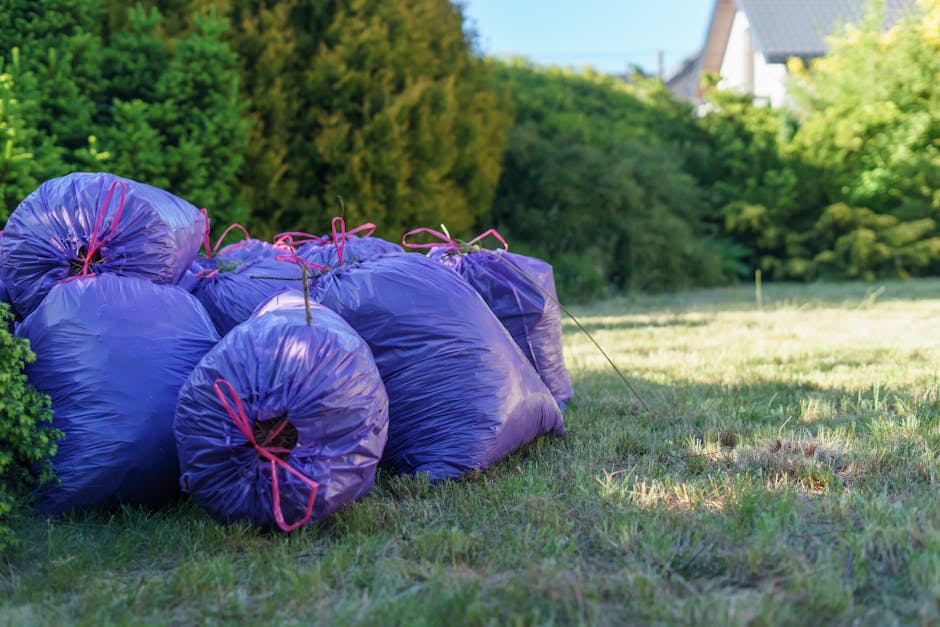
- Use the right bags or containers. Strong sacks, reusable garden bags, or rigid tubs work better than thin bin liners that split on the stairs.
- Keep wet waste under control. Rain makes everything heavier and sloppier. If you can, store bags somewhere dry and move them promptly.
- Don't overload containers. Heavy soil and soaked hedge cuttings can be brutal to lift. Smaller loads are safer and easier to carry.
- Check access in advance. Think about gates, steps, parking, and where a vehicle can stop. A 2-minute check can prevent a 20-minute delay.
- Choose the disposal route. Use composting for suitable material, council-approved options where available, or a licensed waste carrier for larger jobs.
- Confirm the end point. Ask how the material will be handled. Good disposal is about what happens after collection, not just the pickup itself.
If your garden job is part of a bigger refresh, you may want a more flexible removal plan. The rubbish collection Maida Vale page is a useful next step when the waste is mixed rather than purely green.
A small tip from real life: try to do the sorting before the weather turns. A sunny morning can make a garden job feel almost pleasant. By 4pm, not so much.
Expert Tips for Better Results
These are the small things that make the whole process smoother.
1. Separate by type, not just by size. Branches, grass, leaves, roots, and soil behave differently. Mixing everything together makes lifting, loading, and recycling harder.
2. Dry material where possible. Dry leaves and trimmings weigh less and are easier to handle. If you can leave bags briefly in a dry spot, do it. Just not so long that the pile becomes permanent.
3. Watch for hidden contaminants. Plastic ties, plant labels, broken terracotta, and scraps of packaging often end up in garden waste by accident. A quick final check saves sorting problems later.
4. Plan the route out of the property. Through the side return, down the front path, or straight to the drive-map the route before lifting the first bag. In narrow W9 homes, this matters more than people expect.
5. Think about the garden after removal. Do you want to compost next season, replant a border, or free up a corner for storage? Clearing waste is easier when the next use is already in mind.
6. Use a local, licensed provider where needed. That helps with compliance, convenience, and peace of mind. If you want to check standards, the page on waste carrier licence and compliance explains the kind of reassurance you should expect from a responsible operator.
One slightly underrated tip: keep a small dustpan, brush, and bag close by for the "final sweep." It sounds fiddly, but those little leaves and stray bits are usually what makes a space feel unfinished.
Common Mistakes to Avoid
A lot of garden waste headaches come from a handful of avoidable missteps. The first is mixing too much into one pile and hoping it will sort itself out. It won't. Mixed waste takes longer to move and can push you toward the wrong disposal route.
Another common issue is underestimating weight. Wet grass, soil, and compacted branches can be surprisingly heavy. A bag that seems fine in the garden can become a nuisance halfway down the stairs. This is where a bit of restraint helps.
People also forget about access. A clear path sounds obvious, but on collection day the wheelie bin, bike, patio chair, and child's scooter all somehow end up in the way. Funny how that happens.
- Do not overfill bags until they split.
- Do not leave thorny cuttings loosely stacked where someone can catch a hand or leg.
- Do not assume all garden waste can go in general rubbish.
- Do not mix in broken ceramic, paint tins, or electrical items.
- Do not wait until the pile becomes damp, compacted, and much harder to move.
One more thing: if a job starts to look bigger than expected, that is usually because it is bigger than expected. Better to adjust early than push through and regret it later.
Tools, Resources and Recommendations
You do not need a shed full of specialist kit to manage garden waste well, but a few basics make life easier.
- Heavy-duty garden sacks: Better for thorny clippings, leaves, and lighter cuttings.
- Reusable builder-style bags: Useful for larger volumes or mixed outdoor waste.
- Gloves: Strong enough to handle rough branches, wet soil, and hidden debris.
- Secateurs or loppers: Handy for reducing branch size before moving waste.
- Tarpaulin: Good for dragging waste across a path or keeping piles contained.
- Dustpan and brush: Small but surprisingly valuable for final clean-up.
For disposal and broader clearance needs, the most useful local pages are often the ones that match the exact job rather than trying to squeeze everything into one category. If the waste includes old outdoor seating or worn items from the patio, browse furniture disposal Maida Vale. If you are clearing a whole property alongside the garden, house clearance in Maida Vale may be more appropriate.
And if you want to understand the people behind the service, the about us page is a simple way to check the company's approach and standards. Trust matters here. Quietly, but properly.
Law, Compliance, Standards, or Best Practice
Garden waste removal in London should be handled with the same care you would expect for any other waste stream. In practical terms, that means using a responsible disposal route, keeping different waste types separate where possible, and working with a waste carrier that can explain where the material goes.
UK waste rules are not something most homeowners want to wade into for fun, and fair enough. But a few basic principles are worth remembering:
- Duty of care: If you hand waste to someone else, you should be satisfied they are authorised to carry it and dispose of it properly.
- Segregation: Garden waste is best kept apart from household rubbish, especially if it can be recycled or composted.
- Safety: Sharp debris, heavy soil bags, and mouldy material should be handled carefully.
- Traceability: A reputable operator should be transparent about compliance and disposal arrangements.
For peace of mind, it can help to review the company's insurance and safety information and its terms and conditions. If you are the sort of person who likes to know exactly who is handling your waste, that kind of detail matters more than a flashy sales pitch.
There is also a wider ethics angle. Choosing a provider that treats waste responsibly supports the local area and helps avoid fly-tipping and poor disposal practices. Quietly, that is part of keeping Maida Vale looking the way people like it to look.
Options, Methods, or Comparison Table
There is no single best way to handle garden waste in W9. The right option depends on volume, access, and how mixed the material is. Here is a practical comparison.
| Method | Best for | Pros | Things to watch |
|---|---|---|---|
| Home composting | Leaves, grass, soft clippings | Low cost, low waste, easy for light material | Needs space and patience; not ideal for everything |
| Bagged removal | Small to medium garden tidy-ups | Simple, tidy, flexible for tight access | Heavy bags can be awkward if overfilled |
| Licensed waste collection | Larger clear-outs or mixed green waste | Convenient, efficient, usually best for busy homes | Needs a trustworthy operator and good access planning |
| Council-style disposal route | Residents who can transport waste themselves | May be suitable for smaller loads | Time-consuming; not ideal for bulky branches or limited parking |
If you are deciding between garden-only removal and a broader clearance, a good rule is this: if the pile is mostly green waste, keep it simple. If it includes mixed rubbish, hard landscaping debris, or old items from the garden, a more complete waste clearance service can be more efficient. One van, one plan, less faff.
Case Study or Real-World Example
Imagine a typical Maida Vale rear garden after a spring refresh: a couple of rose bushes trimmed back, a small lawn cut, a bag of weeds, some snapped bamboo canes, and a few old terracotta pots that have seen better days. Nothing dramatic, but enough to create a messy corner by the back door.
The homeowner starts by separating the clean green waste from the broken pots and random packaging left from planting. The soft cuttings go into sacks, the heavier soil is placed into smaller containers, and the sharp or brittle items are boxed separately. Because the access is narrow and the path is shared, the sacks are kept light. No heroic lifting. No one wants to be the person muttering on the stairs at 8 in the morning.
Once the waste is grouped properly, collection becomes much faster. The garden is swept through, the path is cleared, and the remaining waste is checked before loading. The result is not just a tidier garden, but a calmer one. The sort of space where you can actually sit out with a cup of tea and hear the birds again, rather than staring at a heap of branches and thinking, "I'll get to that next week."
That is really the point of good garden waste removal: not just taking things away, but making the whole space usable again.
Practical Checklist
Use this simple checklist before you start moving any garden waste.
- Separate green waste from household rubbish
- Cut oversized branches and long stems down to manageable lengths
- Remove plastic ties, labels, and non-organic debris
- Choose strong bags or containers that will not split
- Keep loads small if you need to carry them through narrow access
- Protect floors and hallways from mud and leaf litter
- Check where the waste will be stored before collection
- Confirm whether a licensed carrier is being used
- Review any mixed-waste items separately
- Do a final sweep of the patio, path, or garden border
Expert summary: The easiest way to make garden waste removal in Maida Vale smoother is to sort early, keep loads light, and match the disposal method to the property's access. If you do those three things well, most of the stress disappears before collection day even starts.
Get a free quote today and see how much you can save.
Conclusion
Good garden waste removal is not about doing everything perfectly. It is about making sensible choices: sort the waste properly, avoid overloaded bags, protect your space, and use the right removal route for the job. In Maida Vale, where gardens can be compact and access can be tight, that approach saves time and avoids unnecessary frustration.
If you want a cleaner garden, a simpler routine, and less time spent wrestling with clippings and sacks, the practical advice above should give you a solid start. Small steps, done properly, go a long way. And honestly, there is something quietly satisfying about seeing a garden cleared at the end of the day. A fresh space just feels good.

 Tipper Van - Rubbish Removal and Builders Waste Collection Prices in Maida Vale, W9
 Luton Van - Rubbish Removal and Builders Waste Collection Prices in Maida Vale, W9