Avoid hidden rubbish removal charges in Maida Vale
Posted on 22/05/2026
Avoid hidden rubbish removal charges in Maida Vale: a practical guide for homeowners, landlords, and businesses
If you have ever looked at a rubbish removal quote and thought, "That seems fine... but what's the catch?", you are not alone. Hidden fees are one of the most annoying parts of arranging waste clearance, especially in a busy area like Maida Vale where access, parking, property layouts, and collection timing can all affect the final bill. The good news is that avoiding hidden rubbish removal charges in Maida Vale is very doable once you know what to ask, what to check, and where unexpected costs usually hide.
This guide breaks the whole thing down in plain English. You will learn how pricing usually works, which extra charges are common, how to compare quotes properly, and how to spot the difference between a fair estimate and a vague one. We will also cover the local context, whether you are clearing a flat near Little Venice, dealing with a loft full of old furniture, or booking regular waste support for a business. Let's make the process less stressful, and a lot more transparent.
For a wider view of the services available in the area, you may also want to browse the services overview and the page on pricing and quotes before you book anything.
One quick note: the cheapest quote is not always the best value. A proper price should be clear, itemised where needed, and realistic about access, labour, and disposal. If it feels vague, it probably is. Simple as that.
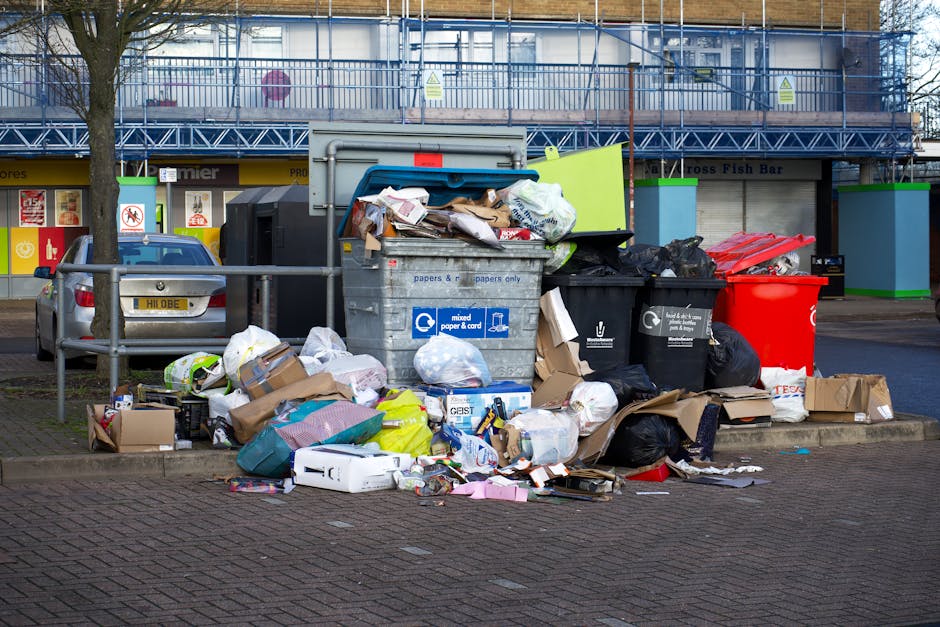
Why avoiding hidden rubbish removal charges in Maida Vale matters
Maida Vale is a desirable part of West London, but that also means rubbish removal jobs are often a little more complex than they first look. Flats may be on upper floors, basement access can be awkward, permit-only parking can slow things down, and shared entrances can make loading more time-consuming. A quote that looks tidy on paper can suddenly rise once the crew arrives and discovers extra steps, lift restrictions, or a bigger load than expected.
That is why hidden charges matter so much. They do not just cost more money; they make the whole service feel unreliable. And if you are planning a house move, a refurbishment, a landlord turnaround, or even a one-off garden clear-out, a surprise fee can throw your budget off at exactly the wrong moment.
There is also a trust issue. Transparent pricing is one of the clearest signs that a waste company knows what it is doing. If they can explain the quote properly, they are usually more organised in other areas too. In our experience, that tends to be the sort of detail people remember after the job is done: no awkward back-and-forth, no "just one more thing", no mystery add-ons. Nice and boring, which is exactly what you want with waste.
If you are comparing local services, the article Maida Vale rubbish removal guide for Little Venice homes is a useful companion read because it gives more context on typical property types and clearance needs in the area.
How rubbish removal pricing usually works
Most rubbish removal services are priced using a mix of volume, weight, labour, access, and disposal type. That sounds technical, but the idea is simple enough: the more space your waste takes up, the harder it is to remove, and the more it may cost to dispose of properly.
Common pricing models
- Load-based pricing: You pay according to how much of the truck is used. This is common for mixed rubbish, bulky items, and clearance jobs.
- Item-based pricing: Certain items, like sofas, fridges, or mattresses, may be quoted individually.
- Time-based labour: Some jobs are affected by how long loading takes, especially if access is awkward or items need dismantling.
- Minimum charge: Even very small jobs often have a minimum fee because the crew, vehicle, fuel, and disposal costs still apply.
The trick is that all of these can be perfectly fair, but only if they are explained in advance. Hidden charges tend to appear when a company does not ask enough questions before quoting, or when it leaves key details out until the team is already on site.
Common extras that can catch people out
- Stair carries for upper-floor flats without lift access
- Parking or congestion-related delays
- Difficult access through narrow hallways or rear gardens
- Heavy or awkward items that need two people or special handling
- Extra disposal fees for certain materials
- Late changes to the amount of waste
- Added labour for dismantling or bagging items
A careful provider should ask questions before giving a final figure. If they do not, be cautious. A quote based on guesswork is not really a quote. It is a hopeful estimate with a side of risk.
Key benefits and practical advantages
When you avoid hidden rubbish removal charges, the benefits go well beyond saving a few pounds. You get a smoother experience, better planning, and far less stress on the day.
- More accurate budgeting: You know what the service will likely cost before anyone arrives.
- Fewer arguments on the day: No awkward debate about why the price suddenly changed.
- Better comparison: You can compare like for like rather than comparing one vague estimate with one detailed quote.
- Faster decision-making: Clear prices make it easier to book confidently.
- Better service quality: Transparent pricing often goes hand in hand with stronger processes and clearer communication.
There is also a practical side that people sometimes miss. If you are a landlord or agent handling a turnaround between tenants, hidden costs can complicate your numbers. If you are a homeowner preparing for a renovation, surprise fees can eat into your contingency fund. If you are running a business, an unclear rubbish collection bill can make monthly cost control a bit messy, and nobody needs more of that.
Transparent pricing also helps when comparing different services, such as domestic waste collection in Maida Vale and commercial waste removal in Maida Vale. The needs are different, but the principle is the same: clarity first.
Who this is for and when it makes sense
This is not just for people with massive clear-outs. Hidden fees can show up in all sorts of everyday situations. Truth be told, the smaller the job looks, the easier it is to assume pricing will be simple. Then a couple of bulky items, a tricky stairwell, and a missed detail later... well, you know the rest.
Typical readers who benefit from this advice
- Homeowners clearing lofts, garages, basements, or spare rooms
- Renters needing end-of-tenancy waste collection
- Landlords and letting agents preparing a property for re-listing
- Property buyers tackling inherited or pre-move junk
- Builders and renovators removing rubble, packaging, and old fixtures
- Office managers handling desks, chairs, and general office clutter
- Restaurants, shops, and local businesses with regular waste needs
It also makes sense if you are dealing with specific types of items. Furniture disposal, for example, can be straightforward, but if the item is heavy, upstairs, water-damaged, or needs dismantling, the price may change. The same goes for appliance removal, green waste, and builders' waste. A good provider will tell you what affects the cost before the job starts.
Related service pages worth checking include furniture removal, builders waste disposal, and white goods and appliance disposal.
Step-by-step guidance
If your goal is to avoid surprise rubbish removal costs, follow a process. Do not just send a photo and hope for the best. A few extra details upfront can save a very real headache later.
- List exactly what needs removing. Be specific. "Old stuff from the flat" is not enough. Say whether it is bags, furniture, appliances, garden waste, or builder's debris.
- Estimate access conditions. Mention stairs, lift access, parking distance, rear-garden access, narrow hallways, and anything else that may slow the load time.
- Ask what the quote includes. Does it cover labour, disposal, loading time, VAT if applicable, and any small extras?
- Request clarity on exceptions. Ask what could increase the price. The answer should be straight, not slippery.
- Compare more than the headline price. One quote may be lower because it excludes things another quote includes.
- Confirm the booking details in writing. A message or email summary is often enough, but it should state the key assumptions clearly.
- Prepare the waste before collection. Bag loose rubbish, separate items if requested, and move waste to an accessible point if safe to do so.
- Review the final bill before paying. If anything has changed, ask why. Calmly. No drama needed.
A practical example: if you are clearing a top-floor flat near a busy road and the operator has to park a distance away, mention that before the job. It may still be absolutely fine, but it should be reflected in the quote rather than turning into a surprise later.
Expert tips for better results
There are a few habits that make a big difference, and they are honestly not complicated. They just require a bit of attention before you hit "book".
Ask the questions that expose weak pricing
- Is this a fixed price or an estimate?
- What exactly is included in the quote?
- Are there extra charges for stairs, access, or waiting time?
- How do you handle heavier items or mixed loads?
- Will the price change if the waste volume is slightly different from the photos?
Use photos, but do not rely on photos alone
Photos help, but they do not always show the full story. A picture can hide tight stair turns, awkward parking, or heavy bag weight. If you send images, add a short description too. That tends to get a more accurate result.
Check the business basics
Trustworthy operators should be willing to explain their process, how payments work, and how waste is handled. If they are vague about compliance or security, step back. For more background, the pages on waste carrier licence and compliance, payment and security, and insurance and safety are worth reading.
And one more thing: if a quote sounds unusually low, ask yourself why. Is it really cheaper, or is it just missing something? That small pause can save you money.

Common mistakes to avoid
Most hidden-charge problems come from a few repeat mistakes. The good news is they are easy to avoid once you know them.
- Choosing the lowest quote without checking the details. A low headline figure can hide extras.
- Not mentioning access issues. Parking, stairs, and lift restrictions matter more than many people expect.
- Forgetting about item type. Some waste streams cost more to dispose of than mixed household rubbish.
- Assuming "all inclusive" means everything. It may not include labour beyond a certain point, waiting time, or special handling.
- Leaving waste descriptions too vague. "A few bits" is not a useful description.
- Not asking about minimum charges. Small jobs still often have a base fee.
- Failing to confirm the final price before collection starts. This is where a lot of frustration begins.
A slightly funny but true observation: the moment someone says, "It's only a few items," that is usually the moment the quote gets complicated. Not always, but often enough to be worth noting.
Tools, resources and recommendations
You do not need special software to keep rubbish removal pricing under control. A few simple tools and habits are enough.
Useful things to prepare before you request a quote
- A rough list of items, grouped by room or type
- Photos taken in daylight, if possible
- Notes on access, parking, and building restrictions
- Any timing constraints, such as tenancy handover or builder schedules
- Your preferred collection date and flexibility window
Service pages that can help you choose the right option
- Rubbish collection in Maida Vale for general household and mixed waste
- Waste disposal in Maida Vale for broader clearance needs
- House clearance for whole-property or probate-style clear-outs
- Loft clearance when access and dustiness make the job trickier
- Office clearance for workplace furniture and equipment
- Garden waste removal for green waste and outdoor cuttings
If you are the kind of person who likes everything pinned down before anyone turns up, the living in Maida Vale guide can also give helpful local context. It is a small thing, but understanding the area helps you plan the collection more realistically.
Law, compliance, standards and best practice
Waste collection is not just about lifting things into a truck. In the UK, proper waste handling matters because items should go to legitimate, authorised disposal or recycling routes. You do not need to know every technical detail to book a service, but you should expect a professional provider to explain how they operate and what standards they follow.
In practical terms, that means checking a few basics:
- The company should be clear about its waste carrier status and compliance approach
- The team should explain how waste is transferred and handled responsibly
- Pricing should be transparent enough for you to understand what you are paying for
- Payment methods and terms should be clear before the job starts
- Safety considerations should be taken seriously, especially for heavy lifting, stairs, and bulky items
This is where good business practice meets peace of mind. A transparent quote is not just nicer for you; it usually reflects a company that has organised operations behind the scenes. That matters whether you are booking a single sofa collection or a larger clearance job.
You can read more about these trust signals on the pages covering about us, terms and conditions, and recycling and sustainability. The details may look formal, but they are there for a reason: to reduce confusion and help you make a better decision.
Options, methods and comparison table
Not every rubbish removal job should be handled the same way. Sometimes a quick collection is enough. Other times, you are better off with a fuller clearance service. Choosing the right method can prevent add-on charges before they start.
| Option | Best for | How pricing usually works | Risk of hidden charges |
|---|---|---|---|
| Standard rubbish collection | General mixed waste, bags, smaller items | Often load-based or minimum charge | Low if the waste amount is described clearly |
| Furniture removal | Sofas, beds, wardrobes, tables | Usually item-based or volume-based | Medium if access or dismantling is not mentioned |
| Builders waste disposal | Renovation debris, rubble, packaging | Often heavier and more volume-sensitive | Medium to high if materials are not specified |
| House clearance | Whole rooms, inherited property, end-of-tenancy | Usually a larger fixed estimate after assessment | Medium if the property condition is under-described |
| Office clearance | Workstations, chairs, files, equipment | Typically quoted by volume, labour, and access | Medium if removal times or access limits are unclear |
| Garden waste removal | Cuttings, branches, soil-related waste | Based on volume and waste type | Low to medium depending on weight and wetness |
A useful rule of thumb: the more unusual the waste, the more detail you should provide. Wet garden waste, broken appliances, or mixed building debris can all change the quote. Nothing mysterious, just operational reality.
Case study or real-world example
Picture a typical Maida Vale flat clearance. A couple are moving out, and they want a wardrobe, two mattresses, several bags of mixed clutter, and a broken washing machine removed. The first message says only, "Need rubbish removed from a two-bed flat." That is not enough detail to quote properly.
When they send better information - floor level, lift access, parking limits, item list, and a photo of the hallway - the revised price becomes much more realistic. The team can plan the right vehicle and labour, and the couple knows what to expect. No surprise costs. No awkward call halfway through.
Now compare that with a second scenario: a small office on the edge of Maida Vale wants to clear six desks, ten chairs, and a few boxes of paperwork. If they do not mention that the desks need dismantling and the lift is shared, the initial quote may be too optimistic. Once the full job is understood, the price adjusts. That is not necessarily a bad thing. The issue is whether the adjustment is explained early or sprung on the customer later.
The best outcome is always the same: honest description, fair quote, smooth removal. That is what people actually remember.
Practical checklist
Before you book, run through this quick checklist. It takes two minutes and can save a lot of trouble.
- Have I listed every item or type of waste clearly?
- Have I included access details such as stairs, parking, and lift use?
- Have I asked whether the quote is fixed or estimated?
- Do I know what the price includes and excludes?
- Have I checked whether dismantling or heavy lifting costs extra?
- Have I confirmed the business's compliance and payment terms?
- Have I compared at least two quotes on the same basis?
- Have I prepared the waste so the crew can work efficiently?
- Do I know what might change the price on the day?
- Have I got the quote or booking summary in writing?
Expert summary: the easiest way to avoid hidden rubbish removal charges in Maida Vale is to make the job easy to quote honestly. Give clear details, ask direct questions, and do not treat a vague estimate like a fixed price. A little upfront clarity goes a very long way.
Conclusion
Avoiding hidden rubbish removal charges in Maida Vale is mostly about preparation, not luck. When you understand how quotes are built, what extras commonly appear, and which questions to ask, you put yourself in control. That matters whether you are clearing a flat, a family house, a garden, or a workplace.
Maida Vale properties can be charming, a bit awkward, and occasionally full of surprises. Lovely area, yes. Easy loading? Not always. So it pays to choose a service that is upfront, practical, and willing to explain things properly. Clear pricing is not a luxury. It is the baseline.
If you are still comparing options, take a moment to review the relevant service pages, check the quote details carefully, and choose the provider that makes the process feel straightforward rather than slippery. That calm feeling on the day, when everything just works, is worth a lot.
Get a free quote today and see how much you can save.


 Tipper Van - Rubbish Removal and Builders Waste Collection Prices in Maida Vale, W9
 Luton Van - Rubbish Removal and Builders Waste Collection Prices in Maida Vale, W9