Waste carrier licence duties for Maida Vale rubbish removal
Posted on 30/07/2026
If you are booking a clearance in Maida Vale, there is a quiet but crucial question hiding behind the van and the price: does the operator actually meet their waste carrier licence duties? For most people, the answer matters more than they first realise. A compliant rubbish removal service protects you from fly-tipping headaches, awkward council questions, and the kind of paperwork that suddenly becomes very important after the fact. This guide breaks down Waste carrier licence duties for Maida Vale rubbish removal in plain English, so you can judge a provider properly, ask the right questions, and feel confident before anything leaves your property.
We will cover what the duty means, how it works in day-to-day collections, what records should be kept, the common mistakes people make, and how this fits with local rubbish removal decisions in and around Maida Vale. If you are comparing domestic, commercial, or clearance services, it will help to understand the bigger picture too, including links between compliance, insurance, recycling practice, and pricing. It sounds dry. It really isn't, once you see how often it affects real jobs.
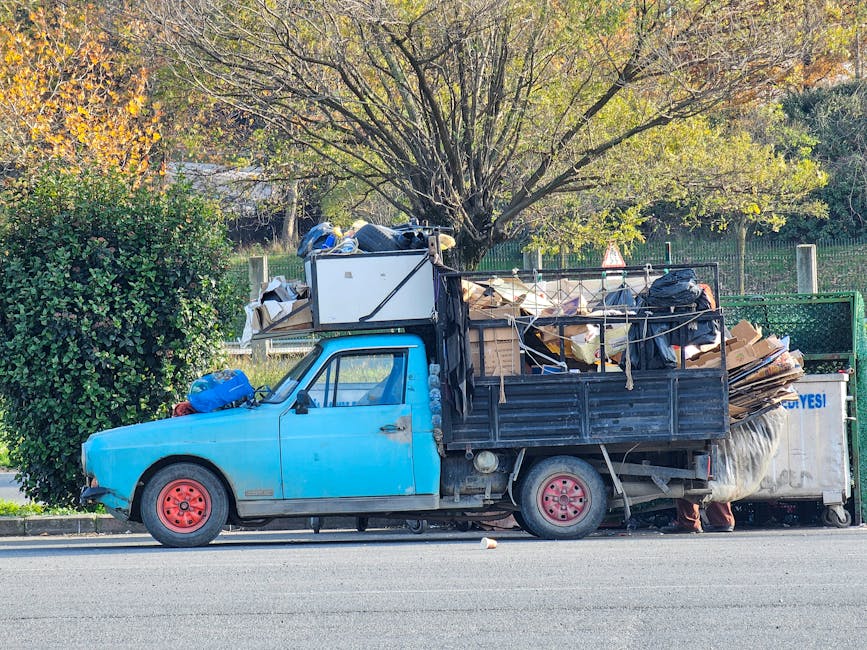
Why Waste carrier licence duties for Maida Vale rubbish removal Matters
Let's face it: most people do not book rubbish removal because they enjoy compliance. They book it because the loft is full, the garden has turned into a small jungle, or a renovation has produced more rubble than expected. But once waste is collected from your home, office, rental flat, or building project, the operator's legal duties matter a great deal. In the UK, anyone who carries waste as part of a business usually needs the right registration and must manage that waste properly. That is the basic principle behind waste carrier licence duties.
For Maida Vale specifically, this matters because the area has a mix of period flats, mansion blocks, managed properties, small businesses, and busy residential streets. Waste collections often involve access issues, tight parking, shared entrances, or timed arrivals. In that kind of environment, a poor operator is not just inconvenient. They can create risk: waste left in the wrong place, unclear paperwork, or disposal that does not meet expected standards. Nobody wants to hear that their furniture or building waste ended up in someone else's lane, garden, or road. It is exactly the sort of problem that starts small and then becomes everyone's problem.
If you want a broader understanding of how a local service should be presented, it can help to review the company's waste carrier licence and compliance information alongside its services overview. That gives you a useful sense of how seriously they take the practical side of the job, not just the sales side.
Key takeaway: a legitimate rubbish removal service should not only move waste quickly; it should also handle it traceably, responsibly, and in a way that protects the customer as well as the environment.
How Waste carrier licence duties for Maida Vale rubbish removal Works
In simple terms, waste carrier duties are about who collects the waste, where it goes, and whether the transfer is documented properly. A compliant operator should be able to show that they are authorised to carry waste, that they know what type of waste they are taking, and that they pass it on to an appropriate facility or handler.
Here is how it usually works in real life:
- Collection is agreed in advance. The customer describes the waste type, volume, access, and urgency. For Maida Vale jobs, this might mean a basement flat, a mews entrance, a communal yard, or a narrow street with limited stopping time.
- The operator confirms what they can take. Not every vehicle or team is suitable for every load. Mixed rubbish, mattresses, sofas, appliances, green waste, or builders' spoil may all need different handling.
- The waste is loaded and transported. The licensed carrier should take custody of the material and move it directly through a lawful route, not just "somewhere later."
- Transfer paperwork or internal records are created. Depending on the waste type and the business arrangement, the operator should keep records that show what was collected, when, and by whom.
- Waste is passed on appropriately. This might mean recycling, recovery, treatment, or disposal at the correct facility.
That is the operational flow. Clean, in theory. Messier in practice if the business is careless. A customer does not always see the back-end steps, so you need to ask the right questions up front. If you are arranging a larger clearance, such as a house move, a flat emptying, or business waste collection, you may also find it useful to compare the job with services like house clearance in Maida Vale or commercial waste removal in Maida Vale, because the compliance expectations can differ a little depending on the setting.
One thing many people miss: the duty is not only about the van on collection day. It starts before the collection and continues after the load is dropped off. That is why a smooth customer experience often looks calm on the surface but is actually built on a lot of admin in the background.
Key Benefits and Practical Advantages
When a rubbish removal company takes its licence duties seriously, the benefits are not abstract. They show up in the small things that make a job easier and safer.
- Less risk of fly-tipping fallout. If waste is dumped illegally after collection, the trail can become a nightmare. A compliant carrier reduces that risk considerably.
- Clearer accountability. You know who took the waste and on what basis. That matters if you ever need to prove due diligence.
- Better handling of mixed loads. A good operator will sort, separate, or route material correctly rather than treating every job as the same.
- More reliable pricing. Honest compliance usually goes hand in hand with more transparent quotes, especially if you review pricing and quotes carefully.
- Improved recycling outcomes. Responsible carriers are typically more likely to divert reusable or recyclable material away from disposal.
- Peace of mind for landlords and businesses. If you are managing tenants, an office move, or routine waste collection, compliance reduces one more thing to worry about.
There is also a reputational upside. In Maida Vale, where properties and businesses often sit very close together, word travels. A tidy collection, respectful crew, and properly documented disposal can make the whole experience feel much more professional. Small thing? Maybe. But it counts.
If sustainability is part of your decision-making, it is worth pairing licence checks with the company's approach to recycling and sustainability. A business that explains both clearly is usually easier to trust than one that keeps everything vague.
Who This Is For and When It Makes Sense
This topic matters to more people than you might expect. The obvious group is the homeowner with a few bulky items to clear. But the practical audience is broader than that.
- Homeowners clearing furniture, old appliances, loft clutter, or garden waste.
- Tenants moving out and needing to leave the place clean and compliant.
- Landlords and letting agents dealing with end-of-tenancy clearances.
- Builders and renovators generating rubble, timber offcuts, plasterboard, or mixed construction waste.
- Office managers arranging desk, chair, filing, and IT clearance.
- Shop and hospitality operators dealing with frequent waste movement or one-off refurbishments.
It makes the most sense to think carefully about licence duties whenever waste leaves your control. That includes everyday rubbish collection, urgent clearances, and post-renovation jobs. If you are planning a mixed domestic and renovation job, browse the relevant service pages, such as domestic waste collection or builders waste disposal, to match the job type more accurately.
For local context, Maida Vale is not a place where people want clutter hanging around for days. A pile of broken wardrobes or sacks of debris outside a handsome terrace or block entrance is noticeable fast. So the "who" is almost anyone who wants the waste gone without a fuss, but the "when" is especially important for time-sensitive collections and shared access buildings.
Step-by-Step Guidance
If you want to check whether a rubbish removal provider is handling licence duties properly, use this straightforward process. It is not glamorous, but it works.
- Ask whether they are a licensed waste carrier. Do not accept a vague answer. A serious operator should be comfortable discussing compliance.
- Confirm what type of waste they can take. Different waste streams need different handling. Mixed rubbish, appliances, green waste, furniture, and commercial waste are not all identical.
- Request a written quote or clear job summary. This helps avoid misunderstandings about labour, loading, access, and disposal.
- Check how they document collection. You want to know what records they keep and whether you receive any paperwork or reference details.
- Ask where the waste goes in broad terms. You do not need a tour of the facility, but you do want reassurance that the material is handled lawfully and sensibly.
- Make sure the site access is realistic. If the van cannot stop nearby or the items are down several flights of stairs, that should be discussed before the day of collection.
- Keep your own notes. Save emails, quote messages, and any job confirmation. It takes two minutes and can save a lot of trouble later.
For a larger or more sensitive collection, such as a full flat clearance or office clean-out, it helps to work from a single brief and not a dozen half-finished conversations. If you need ideas on how a bigger job is structured, see waste clearance services or office clearance in Maida Vale.
A small practical point: if the provider seems reluctant to explain anything about records, transport, or disposal route, that is usually a sign to slow down. Not necessarily walk away instantly, but slow down. Trust your nose a bit here. It usually knows.
Expert Tips for Better Results
After enough waste collections, a few patterns become obvious. The good jobs are the ones where the customer and operator have both done a little preparation before the van arrives.
- Separate reusable items from true waste. It can reduce disposal cost and improve recycling. One chair with a wobbly leg is not the same as a stack of broken furniture.
- Photograph the load before collection. This is especially useful for larger clearances. A quick set of pictures helps avoid disputes later.
- Be specific about what is included. "A bit of rubbish" is not a helpful brief. List the main item types if you can.
- Ask about loading assistance. If a crew is expected to remove items from a top floor flat or a difficult basement, say so. No surprises.
- Keep an eye on timing. In busier parts of London, traffic, parking, and building access can make a morning job look very different by lunchtime.
- Use service pages to match the job properly. For example, garden waste, furniture, white goods, and loft contents often need slightly different handling. That small bit of matching helps a lot.
For homeowners juggling clutter and repairs, a useful local read is the Maida Vale rubbish removal guide for Little Venice homes. If you are dealing with a few bulky items rather than a full clearance, the smaller-targeted pages can help you make quicker decisions, such as furniture disposal or white goods and appliance disposal.
One more tip, and this is a big one: do not assume the cheapest quote is the safest. If a price looks strangely low, ask what is included and whether the disposal side is properly covered. Cheap can be fine. Suspiciously cheap? Different matter.

Common Mistakes to Avoid
People usually get tripped up by a handful of predictable errors. The good news is they are easy to avoid once you know what to look for.
- Choosing a carrier without checking compliance. This is the classic mistake. The van turns up, the waste disappears, and later nobody can prove what happened next.
- Confusing a licence with good practice. A carrier can be registered and still be disorganised. You want both registration and professionalism.
- Not stating the full waste mix. A quote for bags of household rubbish is not the same as a quote for builders' waste plus an old fridge.
- Forgetting access constraints. Basement stairs, locked courtyards, tight parking, and timed building access all affect how the job runs.
- Leaving paperwork until after the collection. By then, it is often harder to get a clean record of what happened.
- Assuming every service handles the same thing. Some are geared to domestic jobs, others to commercial work, others to bulky items. The wrong fit causes delays.
There is a local angle here too. In Maida Vale, parking and access can be awkward enough without adding uncertainty about waste handling. If you are dealing with street-side items or a heavier load, the articles on avoiding hidden rubbish removal charges and same-day rubbish removal delays are both worth a look.
And yes, it sounds obvious. Yet people still skip the basics when they are under pressure. We've all done it. The trick is not to be perfect, just to be a little more careful than the rush wants you to be.
Tools, Resources and Recommendations
You do not need a complicated toolkit to check waste carrier duties. In practice, a few simple habits and documents do most of the work.
- Quote screenshots or emails. Keep the original wording. It is surprisingly useful if you later need to compare what was promised with what happened.
- Job notes. Write down the date, collection type, number of items, and any special access details.
- Photo records. Before-and-after photos help with disputes and are especially sensible for larger clearances.
- Property or office access notes. If the site has limited loading space, permit restrictions, or concierge rules, note them early.
- Service matching pages. Use the relevant site pages to understand which type of collection you actually need, rather than guessing from the headline alone.
Recommended reading on the site includes the company's pages on insurance and safety, payment and security, and terms and conditions. Those may sound like back-office pages, but they often reveal how well a business thinks through real-world service issues.
If you are trying to decide whether a house clearance, loft clearance, or office clearance is the right fit, the page structure on the site can help you compare options. That is often easier than trying to hold the whole decision in your head while the room is full of boxes. Not exactly relaxing, is it?
Law, Compliance, Standards, or Best Practice
In the UK, waste carriers are expected to operate under the relevant waste management framework and follow the legal duties associated with transporting controlled waste. For customers, the practical takeaway is simple: use a provider that can show it understands lawful collection, transfer, and disposal. You do not need to become a legal specialist, but you should expect the business to act like one where it counts.
Best practice usually includes the following:
- clear identification of the waste carrier business
- appropriate registration or authorisation for carriage
- accurate descriptions of the waste collected
- records retained for traceability
- lawful delivery to authorised waste facilities or handlers
- separation of recyclable, reusable, and residual waste where practical
In a place like Maida Vale, compliance also overlaps with common-sense standards: tidy loading, respect for shared entrances, minimal disturbance to neighbours, and sensible timing. That may sound like etiquette rather than law, but on the ground it matters just as much.
For broader local context, the guide on Westminster Council rules for rubbish disposal in Maida Vale is useful background, especially if your waste is being managed alongside local access or disposal considerations. If you are using a skip or dealing with temporary street-side arrangements, the related article on permits for skips and street works can help frame the situation more clearly.
Practical note: good compliance does not usually make a company louder. It makes them calmer. They answer questions cleanly, they know what they are doing, and they do not need to improvise their way through the job.
Options, Methods, and Comparison Table
When arranging rubbish removal in Maida Vale, you will usually be choosing between a few service styles. Each has a place. The right one depends on the waste type, access, urgency, and how much control you want over timing.
| Option | Best for | Compliance focus | Practical downside |
|---|---|---|---|
| Dedicated rubbish removal collection | Mixed household, bulky, or one-off waste | Carrier licence, transfer handling, disposal traceability | May be less suitable for very large ongoing volumes |
| Builders waste collection | Refurbishments, strip-outs, renovation debris | Waste categorisation, load suitability, lawful disposal route | Needs accurate load description to avoid surprise costs |
| House or loft clearance | Whole-room or full-property clearances | Item sorting, records, responsible handling of mixed loads | Can take longer if access is difficult |
| Commercial waste service | Offices, shops, and regular business disposal | Documented collection, routine compliance, predictable scheduling | Less flexible for small one-off domestic jobs |
| Bulky item disposal | Sofas, wardrobes, appliances, single large items | Safe loading, correct transport, item-specific handling | May require extra lifting or access planning |
If you are unsure where your job fits, start with the most specific description you can manage. A one-bedroom flat clearance and a back-office clean-out can look similar from the hallway. They are not the same in practice, though, and a good operator will recognise the difference quickly.
Case Study or Real-World Example
A common Maida Vale scenario goes like this. A resident clears out a flat after a long tenancy. There are two wardrobes, a broken bedside cabinet, old kitchen bits, and a few bags of general rubbish. Nothing dramatic. Just the kind of job that builds up quietly until the spare room becomes a storage cave.
The first quote they receive is low, but the provider is vague about licensing, paperwork, and where the waste will go. The second quote is a little higher, but the company explains what is included, confirms its waste carrier responsibilities, and outlines how the items will be collected and documented. The second option usually feels more reassuring, and often saves time in the end because there are fewer surprises.
On the day, the crew arrives on time, checks access, protects the hallway, and removes the items without leaving a mess behind. The customer gets a clear record of the collection. No drama. No mysterious extra charge invented halfway through the job. That is what proper licence duties look like from the customer's side: less visible paperwork, more visible reliability.
Now imagine the same job handled poorly. The carrier takes the items but cannot explain the disposal process, the quote changes during loading, and later nobody can confirm who took responsibility. That is exactly the kind of situation people mean when they say they wish they had checked a provider more carefully. A bit annoying? Yes. Avoidable? Also yes.
Practical Checklist
Use this checklist before you book rubbish removal in Maida Vale:
- Have I clearly described the waste type and volume?
- Did the provider confirm they are authorised to carry waste?
- Do I understand what is included in the quote?
- Have I mentioned stairs, basements, parking, or access restrictions?
- Do I know whether paperwork or collection records will be kept?
- Have I checked whether the job is domestic, commercial, bulky, or builders waste?
- Did I ask what happens to recyclable or reusable items?
- Have I saved the written quote and any job confirmation?
- Do I know whether the team is insured and working safely?
- Does the service page match the actual job I need?
If you can tick most of those off, you are in a much better position than the average person booking in a hurry. And honestly, that already puts you ahead.
Get a free quote today and see how much you can save.
Conclusion
Waste carrier licence duties are not a side issue in rubbish removal. They are the backbone of a trustworthy service. For Maida Vale customers, that matters because local jobs often involve access constraints, busy streets, mixed waste, and properties where tidiness and professionalism really count. The safest choice is the provider that can explain its process clearly, document what it takes, and handle the waste with proper care from collection to final disposal.
If you remember only one thing, make it this: a good rubbish removal job should leave you with more than an empty space. It should leave you with confidence. That feeling that the job was handled properly, not just quickly. To be fair, that is what most people are really paying for.
Choose carefully, ask plainly, and trust the companies that make compliance sound normal - because it should be.


 Tipper Van - Rubbish Removal and Builders Waste Collection Prices in Maida Vale, W9
 Luton Van - Rubbish Removal and Builders Waste Collection Prices in Maida Vale, W9